How a Reverse Mortgage Can Help Seniors Secure Their Financial Future
Reverse Mortgage: A Pathway to Financial Stability for Seniors ==============================================================
As seniors face the challenge of managing fixed incomes. While Social Security and personal savings may cover basic expenses, unexpected medical bills, home repairs, or long-term care needs can quickly become a burden. That’s where a reverse mortgage can step in. It is a financial tool that enables seniors to access the equity tied up in their homes. The loan allows seniors to secure additional income without selling their homes, all without needing to make monthly payments.
What is a Reverse Mortgage Work?
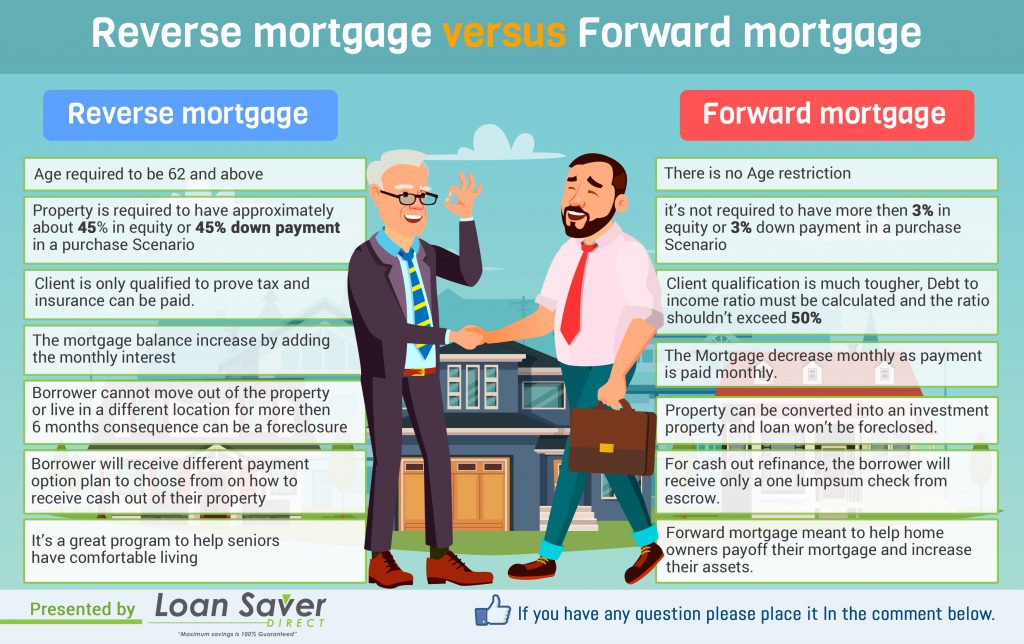
A reverse mortgage is a loan that turns home equity into cash for senior homeowners. The key difference between a reverse mortgage and a regular mortgage is that, there is no need to make monthly payments, as the homeowner receives cash. The homeowner is still responsible for upkeeping the property, paying taxes, and maintaining homeowners insurance. The reverse mortgage loan becomes due when the homeowner moves out of the home, sells it, or passes away, at which point the loan is paid off with the proceeds from selling the home.
Homeowners may opt to receive the loan funds as a lump sum, monthly payments, or a line of credit. The choice largely depends on the homeowner’s financial situation and needs. The reverse mortgage balance grows over time due to accruing interest and fees. However, the homeowner will never owe more than the home’s value at the time the loan is repaid, even if the loan balance exceeds that value.
Types of Reverse Mortgages
There are a few different types of reverse mortgages, each tailored for specific financial needs:
- Home Equity Conversion Mortgage (HECM): The HECM is the most common type of reverse mortgage. It is insured by the Federal Housing Administration (FHA), offering seniors the protection of federal insurance. The FHA guarantees that homeowners will never owe more than the value of their home. To qualify for an HECM, the homeowner must meet the age requirement, have sufficient equity in the home, and live in the home as their primary residence.
- Proprietary Reverse Mortgage: These are private loans offered by private lenders. They tend to be less regulated than HECMs, but they can be suitable for homeowners with homes valued above the HECM limit. If your home’s value exceeds the limit for an HECM, a proprietary reverse mortgage may allow you to access more funds.
- Single-Purpose Reverse Mortgage: This is a less common and more affordable option. It is offered by some state and local governments or nonprofit organizations. The funds from a single-purpose reverse mortgage are generally restricted to specific purposes, such as paying for home repairs or property taxes.
Benefits of a Reverse Mortgage for Seniors
One of the main reasons seniors consider a reverse mortgage is the opportunity to access home equity without selling the home. There are several key benefits of reverse mortgages, especially for seniors facing financial pressures in retirement:
- Steady Income Stream: Many retirees worry about running out of money in retirement. A reverse mortgage offers a way to convert home equity into cash, providing a consistent income stream without needing to sell the home.
- Improved Cash Flow: Without the burden of monthly mortgage payments, seniors can use the funds from a reverse mortgage to cover everyday expenses, medical bills, or long-term care costs.
- Remain in the Home: One of the most attractive aspects of a reverse mortgage is that seniors can continue living in their home for as long as they choose. They won’t have to leave or sell the house to receive the benefits of the loan.
- No Monthly Payments: Unlike a traditional mortgage, a reverse mortgage doesn’t require monthly payments. The loan is repaid when the home is sold, or the borrower moves or passes away. This makes it an ideal option for seniors on a fixed income.
- Government Protections (for HECMs): Since the HECM reverse mortgage is federally insured, it provides seniors with significant protections. The homeowner cannot owe more than the home’s value, and the loan is guaranteed to be paid off even if the home’s value declines.
Drawbacks and Considerations of a Reverse Mortgage
While a reverse mortgage can offer many benefits, it is not without its drawbacks. It’s important to understand the potential risks and challenges:
- Increased Loan Balance: Because interest is added to the loan balance over time, it can grow significantly, reducing the equity in the home. This can be a concern for those hoping to leave their home to their heirs.
- Home Maintenance Responsibility: While homeowners can live in their homes for as long as they choose, they are still responsible for maintaining the property and paying property taxes. Failure to do so can lead to foreclosure.
- Costs and Fees: Reverse mortgages come with various fees, including origination fees, mortgage insurance, and closing costs. These fees can add up and be added to the loan balance.
- Impact on Inheritance: Since the loan is repaid when the home is sold, the amount left for heirs may be less than expected, as the loan balance needs to be paid off first.
- Complexity of the Loan: Reverse mortgages can be complicated, and seniors may not fully understand the terms. It’s important to consult with a financial advisor or a reverse mortgage counselor before moving forward.
Is a Reverse Mortgage Right for You?
Deciding whether a reverse mortgage is the right financial solution depends on your individual circumstances. Seniors who are looking to stay in their homes but need additional funds to cover medical bills, home repairs, or other expenses may find a reverse mortgage to be a good option. However, it’s essential to fully understand the terms of the loan and to consider other alternatives, such as downsizing, taking a home equity loan, or applying for government assistance.
Conclusion
A reverse mortgage can provide seniors with the financial flexibility they need to enhance their quality of life during retirement. Whether used to supplement income, pay for medical costs, or cover home repairs, this financial product offers several advantages. However, it’s important to carefully consider the potential downsides, especially the impact on inheritance and loan costs. Before proceeding with a reverse mortgage, seniors should consult with a financial advisor to ensure that it aligns with their long-term goals and financial situation.
Frequently Asked Questions (FAQs)
- What is a reverse mortgage? A reverse mortgage is a loan that allows seniors aged 62 or older to convert their home equity into cash without monthly payments.
- Can I stay in my home with a reverse mortgage? Yes, you can live in your home for as long as you meet the terms of the loan, which include maintaining the property and paying taxes.
- What are the costs of a reverse mortgage? Reverse mortgages involve upfront fees, such as origination fees, mortgage insurance, and closing costs, which can add up over time.
 * How is a reverse mortgage repaid? The loan is repaid when the homeowner sells the home, moves out, or passes away.
 - Will a reverse mortgage affect my heirs? Yes, the loan balance must be paid off when the home is sold, which could reduce the inheritance left to your heirs.